 Vantage AI Visibility Tool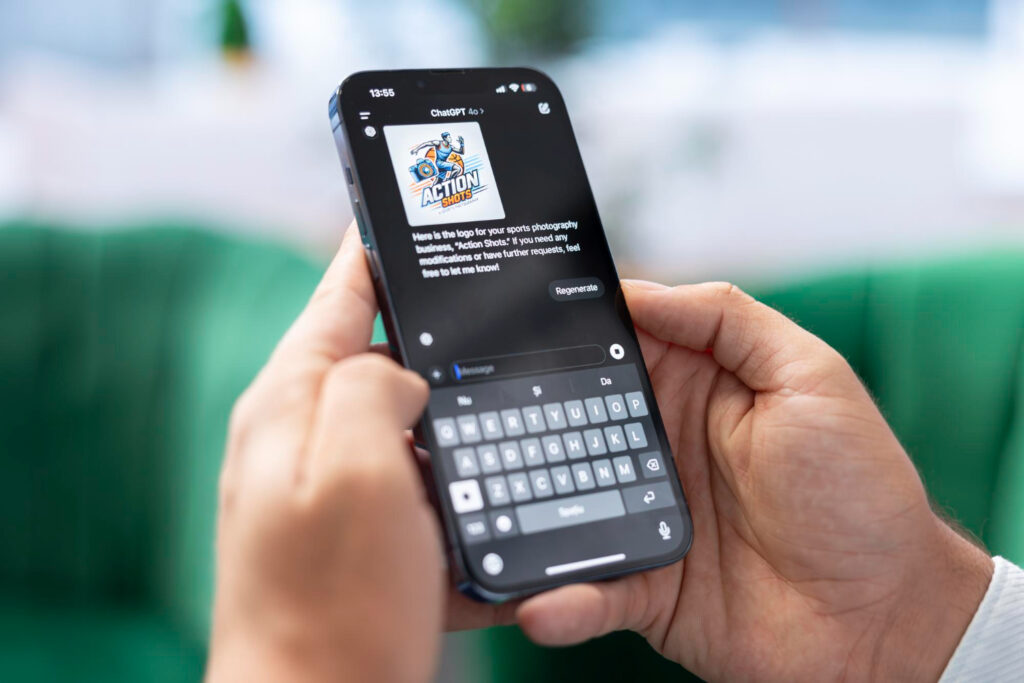
On this page
No. Skyfield Digital recommends skipping ChatGPT and other AI image generators for public-facing visuals and paying an artist instead, either an online freelancer or a local illustrator. In the 2026 Bentley University-Gallup survey, 66% of adults aged 18 to 29 viewed businesses using AI to create ads negatively, and readers who suspect content is AI-made rate it 48% lower on trust. Coca-Cola, Skechers, Guess and McDonald’s Netherlands have all taken public heat for AI creative.
ChatGPT can produce an image in a minute for almost nothing, so small businesses now use it for blog headers, product pages, social posts and ads. The useful question is what each image costs in trust. This covers public-facing visuals. AI for brainstorming is a safer, separate question: Gallup found 75% of Americans accept AI for brainstorming and early drafts, 53% for final ad content and only 38% for creating people or voices (Gallup, 2026).
What the data shows
Younger adults are the most negative group by a wide margin. Overall, 49% of Americans view AI in advertising negatively against 19% positively, and 79% saw an AI-created ad in the past month (3,270 adults, May 2026).
The IAB’s 2026 study of 505 U.S. Gen Z and Millennial consumers agrees. 39% of Gen Z feel negative about AI ads, up from 21% in 2024 and nearly double Millennials at 20%. Gen Z calls brands that use AI inauthentic (30%), disconnected (26%) and unethical (24%), more than double the Millennial rates. Advertisers misread it: 82% of ad executives expected positive feelings, and 45% of consumers had them (IAB).
Other studies line up with those numbers:
| Source | Sample | Finding |
|---|---|---|
| NYU and Emory | Google Display Network field test | AI ads beat human ads by 19% on click-through until labeled, then fell about 31.5% below unlabeled human ads. |
| Raptive | 3,000 U.S. adults | Suspected AI content: trust 48% lower, authenticity 57% lower, purchase consideration down 14%. |
| Clutch | Consumer survey | 40% would trust a brand less if AI images went undisclosed. |
| YouGov | 1,046 Australian adults | 45% would trust a brand less over AI ads. 86% want disclosure. |
| Pew Research Center | 5,023 U.S. adults | 53% are not confident they can tell AI from human content. 76% say it matters. |
Why Gen Z reacts this way
In December 2025, Merriam-Webster named “slop” its word of the year, defined as “digital content of low quality that is produced usually in quantity by means of artificial intelligence” (TechCrunch). When a culture coins a dismissive word for a content type, using that content type files your brand under it. Skyfield’s view is that visuals are among the fastest trust signals on a page, and a ChatGPT image tells a younger visitor that nobody cared enough to commission the visuals. These studies cover Gen Z and Millennials and none yet measures Gen Alpha, but we expect that audience to follow the same direction.
Where ChatGPT images go wrong
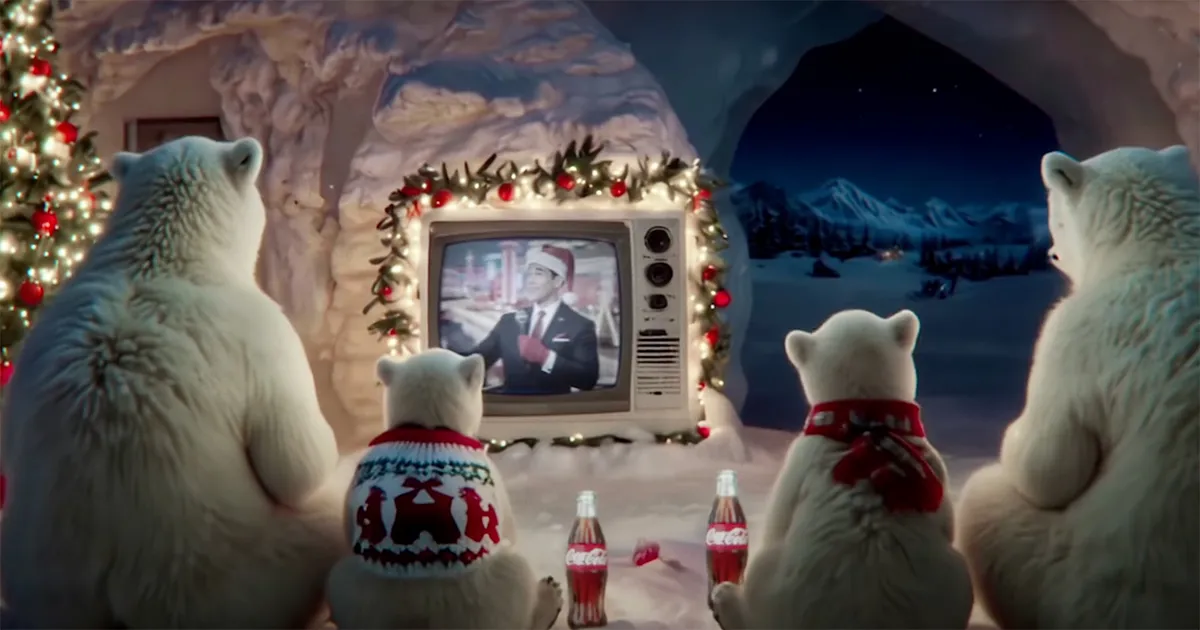
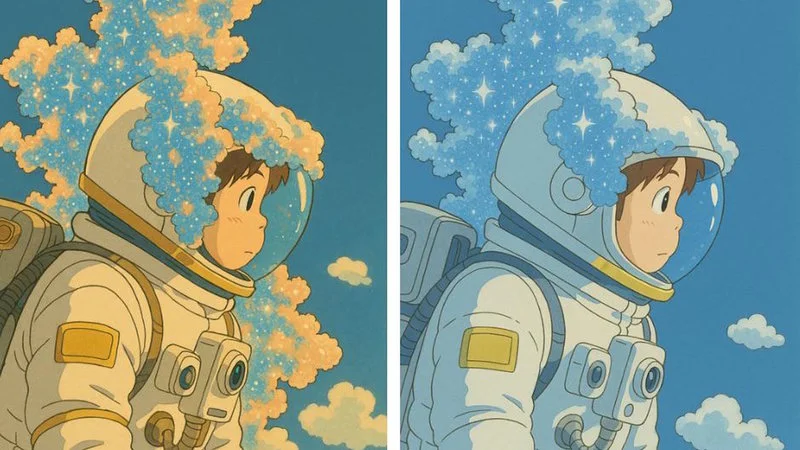
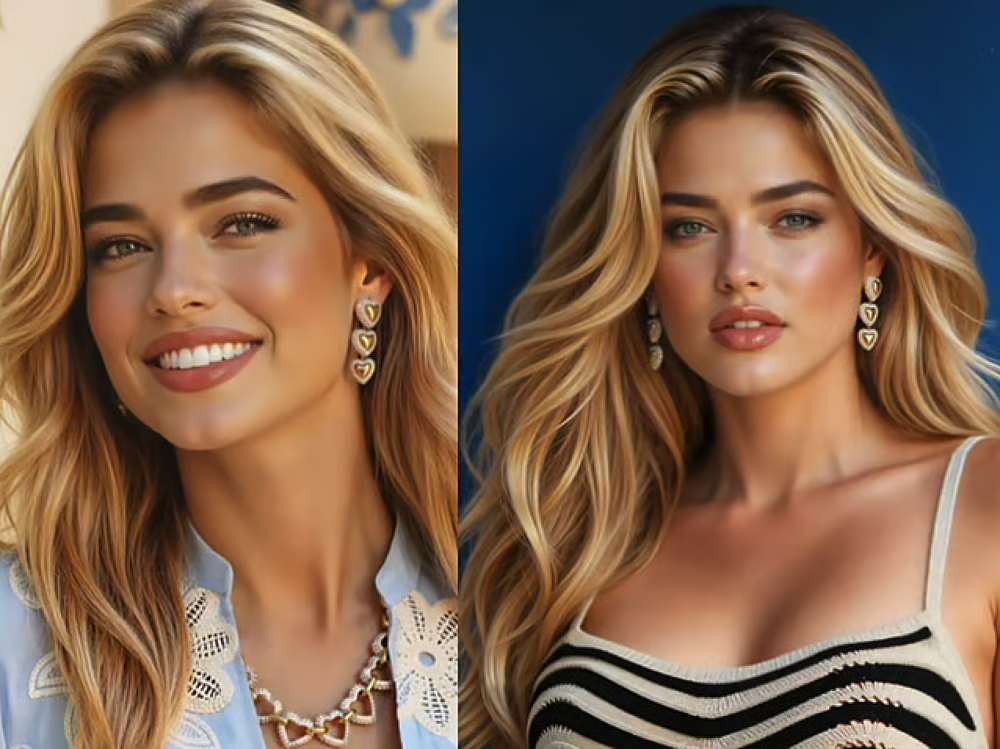
AI images fail in repeatable ways, and audiences have learned to spot them.

Brands that took the backlash
| Brand | What happened | When | Source |
|---|---|---|---|
| Skechers | Vogue ad flagged by creators for AI tells. One commenter said AI ads make a brand look cheap. | Dec 2024 | Fortune |
| Coca-Cola | AI remake of its 1995 holiday ad scored 5.9 in System1 testing, yet critics said it drained the warmth from a classic. | Nov 2024 | Adweek |
| Guess | AI-generated model in Vogue drew objections from readers, creators and unions. | Aug 2025 | FashionNetwork |
| Duolingo | Deleted social posts and lost 400,000+ TikTok followers after an AI-first announcement. | May 2025 | Ypulse |
| McDonald’s Netherlands | Pulled an AI Christmas ad on December 10 after viewers called it AI slop. | Dec 2025 | BNN Bloomberg |
Coca-Cola’s lab scores were excellent and the backlash came anyway. Dove went the other way and pledged never to use AI-generated content in its ads (Rolling Stone).
What the evidence does not show
Three caveats apply. Nielsen Norman Group found no trust penalty for AI images when visitors did not know the source, and ratings fell once they suspected AI. Clutch found 57% of consumers could not spot AI photos, and 73% of IAB respondents said knowing an ad used AI would raise or not change their likelihood to buy. Gallup measured attitudes, not purchases.
Skyfield’s read: the savings from a free image are small, and the downside lands on the younger buyers who spot the tells, screenshot them and share them. Hiding AI use does not fix it, since labeling alone cut clicks in the NYU and Emory test and most consumers say they want disclosure.
Skyfield’s position: hire an artist
Skyfield recommends that businesses do not use ChatGPT image generation for public-facing visuals. Pay a human. An online freelance artist lets you review a portfolio before you commit, and a local illustrator or photographer gives you a story that works on your website and Google Business Profile.
Rates are lower than most owners expect. goLance reports these 2026 hourly ranges:
| Experience level | Hourly rate |
|---|---|
| Junior (0 to 2 years) | $20 to $40 |
| Mid-level (2 to 5 years) | $40 to $75 (average $58) |
| Senior (5 to 10 years) | $75 to $130 |
| Expert (10+ years) | $130 to $220 |
A blog header or spot illustration rarely needs more than a few hours of mid-level time, so it lands in the low hundreds of dollars (Skyfield estimate).
- Brief the artist with brand colors, your audience and three reference images.
- Put usage rights for web, ads and print in writing.
- Use real photos of your team, shop and finished work wherever you can.
- Keep AI for internal brainstorming only. For that side, see AI-assisted workflows without losing quality.
Visual trust works alongside rankings and AI citations, and Skyfield handles those through SEO and GEO.
Frequently asked questions
Is it ever okay to use ChatGPT for business images?
How much does a freelance artist cost?
Will customers actually notice an AI image?
Should I label AI images if I use them?
Sources
| Bentley University-Gallup, 2026 | Americans Aren’t Sold on Businesses Using AI in Advertising 3,270 U.S. adults, May 4 to 11, 2026 |
| IAB and Sonata Insights, 2026 | The AI Ad Gap Widens 505 U.S. Gen Z and Millennial consumers, 104 ad executives, Oct 2025 to Jan 2026 |
| Raptive, Aug 2025 | The AI stink is real, and it’s costing brands 3,000 nationally representative U.S. adults |
| NYU and Emory researchers | Telling consumers an ad is AI-generated cuts clicks by 31 percent (The Decoder) Field study on the Google Display Network |
| Clutch, Sept 2025 | 57% of Consumers Can’t Spot AI Photos (Business Wire) Consumer survey |
| YouGov, May 2026 | 45% of Australians say AI-generated ads would make them trust a brand less 1,046 Australian adults, May 7 to 12, 2026 |
| Pew Research Center, Sept 2025 | How Americans View AI and Its Impact on People and Society 5,023 U.S. adults, June 9 to 15, 2025 |
| Nielsen Norman Group, Aug 2026 | AI-Generated Images study (Rachel Banawa) User perception of AI images on websites |
| eMarketer, 2026 | Gen Z’s AI ad skepticism puts brand authenticity under the microscope Summarizes Bentley University-Gallup Gen Z findings |
| TechCrunch, Dec 15, 2025 | Merriam-Webster names slop the word of the year Definition and announcement |
| Fortune, Dec 14, 2024 | Skechers draws backlash for full page ad in Vogue Creator criticism of AI elements |
| Adweek, Nov 2024 | How Coca-Cola’s AI holiday ad went from praise to rage System1 score and critic response |
| FashionNetwork, Aug 2025 | Vogue US faces backlash over Guess ad featuring AI-generated model Reader, creator and union response |
| Ypulse, May 22, 2025 | Duolingo deleted their Instagram and TikTok posts after getting backlash over AI 400,000+ TikTok followers lost |
| BNN Bloomberg, Dec 10, 2025 | Not lovin’ it: McDonald’s pulls Dutch AI Christmas ad Ad removed after online backlash |
| Rolling Stone | Brands are beginning to turn against AI Dove pledge and other anti-AI commitments |
| meme.com | Ai Art Becoming Yellow (example images) Yellow-tinted AI image comparison |
| Know Your Meme | Why are AI-made images getting yellow? Yellow tint reported on Reddit in March 2025 |
| goLance, 2026 | Freelance illustrator hourly rates Rates by experience level |

Founder and CEO, Skyfield Digital
Caleb Hester is the founder and owner of Skyfield Digital, bringing nearly a decade of hands on experience in SEO and digital marketing. He specializes in building search strategies that drive long term visibility, qualified traffic, and measurable growth. Caleb’s approach blends technical SEO, content strategy, and real world business insight to help brands compete and scale in increasingly competitive markets.