
 Vantage AI Visibility Tool
Why PE-Backed Companies Are Losing Market Share to AI-Optimized Competitors

TL;DR PE-backed companies are losing deals they never see. Buyers now build vendor shortlists inside ChatGPT, Gemini, Perplexity and Google AI Overviews, and companies with scattered brand names, thin entity data and little third-party coverage get left out of those answers. Generative engine optimization fixes it with one consistent entity, answer-first pages and mentions […]
The 10 Best SEO and GEO Agencies for UK Companies Expanding to the US (2026)

Ten agencies ranked for UK companies expanding into the US market, with the trade and investment data, why shared language makes US SEO harder rather than easier, and what a US-entry search and AI visibility program should include.
The 9 Best SEO and GEO Agencies for Chinese Companies Entering the US Market (2026)

Nine agencies ranked for Chinese companies and cross-border sellers entering the US market, with the data on Amazon seller share, tariff shifts, the trust gap US buyers hold and what a US brand-building SEO and GEO program looks like.
The 10 Best SEO and GEO Agencies for Japanese Companies Entering the US Market (2026)

Ten agencies ranked for Japanese companies entering the US market, with the data on Japanese investment in America, how US search differs from Japan, and what a US-entry SEO and AI visibility program should include.
Should Your Business Use ChatGPT for Image Generation?

TL;DR No. Skyfield Digital recommends skipping ChatGPT and other AI image generators for public-facing visuals and paying an artist instead, either an online freelancer or a local illustrator. In the 2026 Bentley University-Gallup survey, 66% of adults aged 18 to 29 viewed businesses using AI to create ads negatively, and readers who suspect content is […]
The 13 Best Generative Engine Optimization (GEO) Agencies in the US (2026)

Thirteen US agencies that can get a brand cited in ChatGPT, Gemini, Perplexity and Google AI Overviews, ranked on documented method, published results and pricing, plus how to evaluate any GEO pitch.
The 7 Best GEO and AI SEO Agencies in Connecticut (2026)
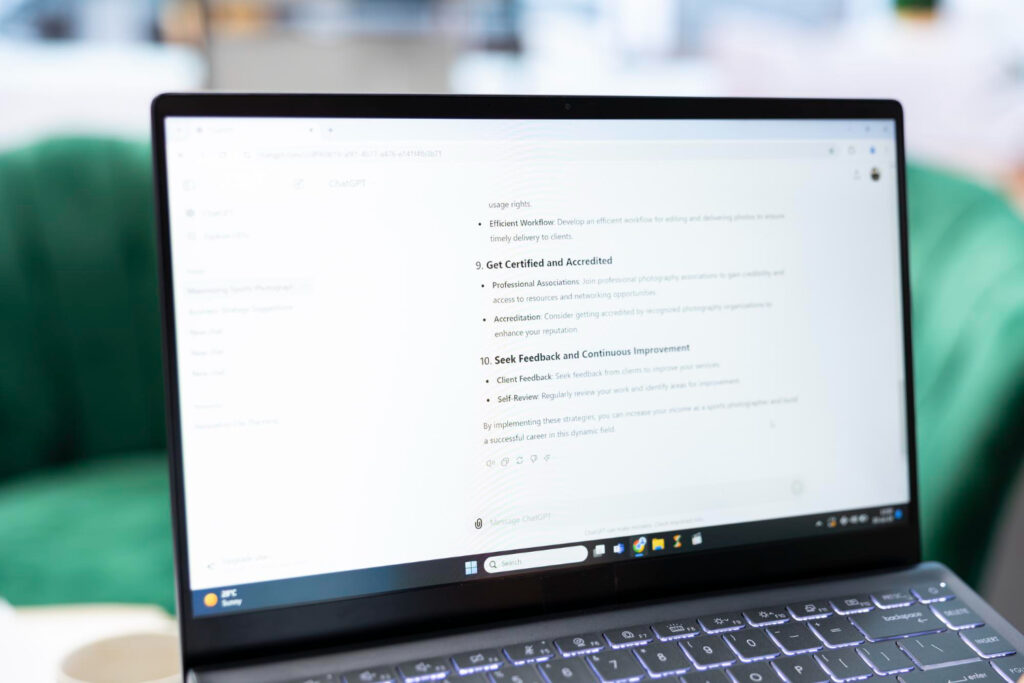
Seven Connecticut agencies ranked on whether they can actually get a brand cited by ChatGPT, Gemini, Perplexity and Google AI Overviews, plus what GEO involves and what it costs.
The Future of Search: What Marketing Teams Need to Know About Multi-Engine Optimization
Quick Answer TL;DR Multi-engine optimization is the practice of building visibility across every place your buyers search: Google’s classic results, AI Overviews and AI Mode, ChatGPT, Bing and Copilot, Perplexity, YouTube, Amazon, Reddit and social platforms. Google still handles most searches, but its share is slipping, AI Mode passed one billion monthly users in 2026, […]
How Search Engine Optimization Strategies Differ Across Major CMS Platforms
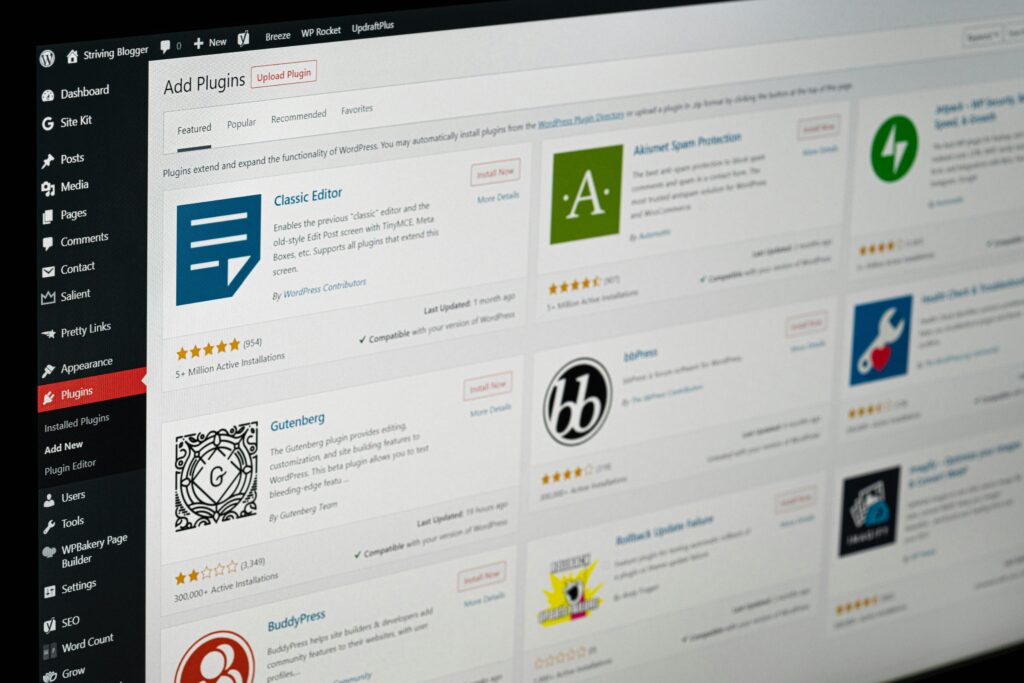
Quick Answer TL;DR The fundamentals of SEO are the same on every CMS, but where you spend your effort changes a lot. WordPress gives you full control, so the work is keeping speed, plugins and index bloat in check. Shopify handles the technical basics but locks URL structure, so the work is managing duplicate paths, […]
B2B SEO Strategy: Converting High-Intent Traffic into Business Leads

Quick Answer TL;DR A B2B SEO strategy that produces leads starts at the bottom of the funnel, not the top. Target the searches buyers make when they are comparing vendors, checking prices and looking for a provider for their specific use case, then build pricing, comparison, alternatives, industry and case study pages that answer those […]